 grah
grah7 Signs Your Pet Needs Dental Care in Kingston
Your pet’s oral health affects far more than just their teeth. Dental disease can lead to pain, bad breath, difficulty eating, gum inflammation, and hidden infections that make everyday life uncomfortable for your dog or cat. At Gardiners Road Animal Hospital, we help families find reliable pet dental care in Kingston with thorough exams, professional treatment, and dental imaging when needed.
Many pet owners do not realize how quickly plaque and tartar can build up. Because animals often hide pain, a dental problem may already be advanced before obvious symptoms appear. That is why recognizing early warning signs matters. If you are searching for pet dental care Kingston, this guide will help you understand what to watch for and when it may be time to book an appointment.
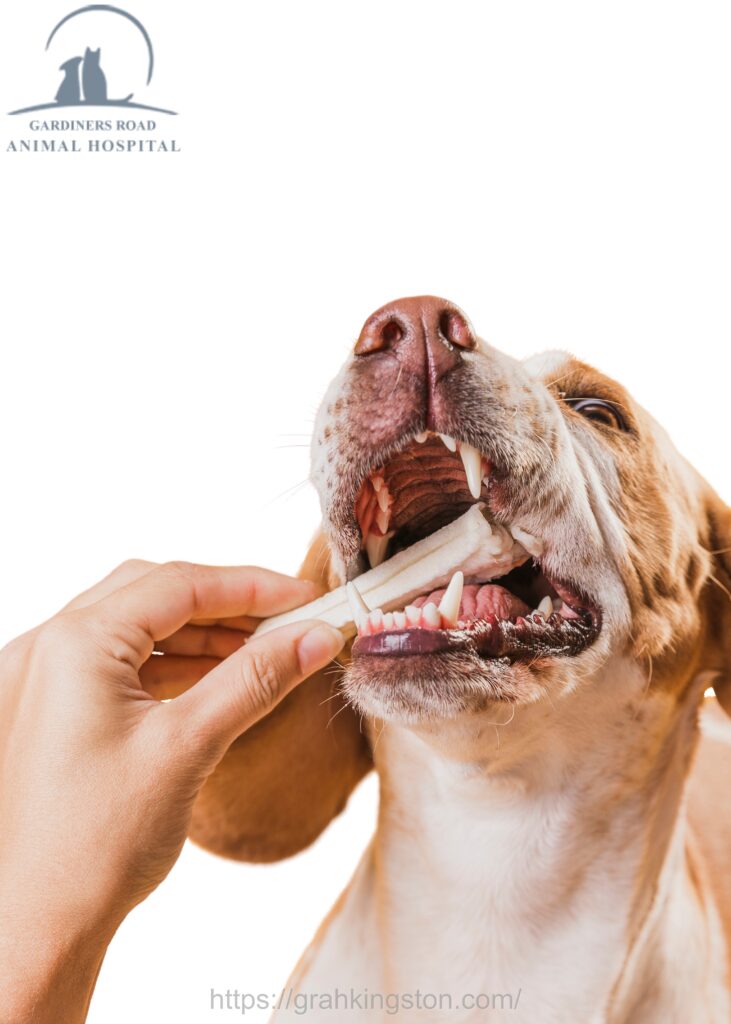
. Bad breath that does not go away
A little pet breath is common, but persistent foul odor is often one of the first signs of dental disease. If your dog or cat’s breath has become much stronger than usual, it may be linked to plaque buildup, gum disease, or infection beneath the gumline.
At Gardiners Road Animal Hospital, dental exams are designed to identify the cause of oral odor rather than just treating the symptom. In many cases, bad breath is the first clue that your pet may need veterinary dentistry in Kingston before the issue becomes more painful.
2. Yellow or brown tartar on the teeth
Visible tartar is a strong sign that your pet may need professional dental care. When plaque hardens, it cannot be removed effectively with home care alone. Over time, that buildup can irritate the gums and contribute to periodontal disease.
If you can see yellow or brown material collecting along the gumline, it may be time to schedule pet dental care in Kingston. Professional cleaning and assessment can help prevent deeper problems and restore better oral health before extractions become necessary.
3. Red, swollen, or bleeding gums
Healthy gums should not look inflamed. If you notice redness, swelling, or bleeding, your pet may be dealing with gingivitis or a more advanced dental issue. Gum inflammation is not only uncomfortable, but it can also signal infection and damage around the teeth.
This is one reason pet dental X-rays in Kingston can be so valuable. Surface symptoms do not always show what is happening below the gumline. A veterinarian may recommend X-rays to get a clearer picture of the tooth roots and surrounding structures before deciding on treatment.
4. Difficulty chewing or dropping food
Some pets continue eating even when they are in pain, but subtle changes in chewing can reveal a lot. If your dog starts chewing on one side, drops kibble, eats more slowly, or seems reluctant to bite down, a painful tooth or inflamed gums could be the cause.
This is a common reason pet owners seek dog dental cleaning Kingston services. What looks like picky eating may actually be oral discomfort. An exam can help determine whether your pet needs a cleaning, further dental treatment, or imaging to assess hidden damage.
5. Broken, loose, or discolored teeth
A tooth that is cracked, loose, darkened, or visibly damaged should never be ignored. Broken teeth can expose sensitive tissue and create significant discomfort. Even if your pet still seems active, damaged teeth may require prompt treatment to prevent worsening infection or pain.
At Gardiners Road Animal Hospital, severe cases may require advanced dental treatment, including extraction when needed. That makes early diagnosis especially important for pets showing obvious dental changes. The sooner a problem is addressed, the easier it often is to protect comfort and oral function.
6. Pawing at the mouth or avoiding touch
If your pet paws at their face, rubs their mouth on furniture, resists having their face touched, or pulls away when you examine their muzzle, oral pain may be part of the reason. Cats in particular can be very subtle, while dogs may become irritable or withdrawn.
These behavior changes are often overlooked, but they can be a key signal that your pet needs cat dental care Kingston or dog dental care Kingston from a veterinary team that understands how dental pain presents in animals.
7. Changes in appetite or behavior
Dental disease does not just stay in the mouth. It can affect your pet’s daily routine, mood, and energy level. A pet with oral pain may eat less, avoid hard treats, become quieter than usual, or lose interest in play. Some pets also become more sensitive around the head and neck because chewing has become uncomfortable.
If you have noticed these changes along with bad breath, tartar, or gum irritation, booking pet dental care in Kingston is a smart next step. A dental exam can help determine whether the issue is mild plaque buildup or a more serious problem that needs treatment.
Why pet dental care matters
Routine dental care is not cosmetic. It plays a direct role in comfort, appetite, and quality of life. Professional veterinary dental exams can help identify plaque buildup, gum disease, fractured teeth, and painful conditions that are easy to miss at home.
Your current service page already highlights that oral exams may involve X-rays for more precise diagnosis and that extractions may be performed when necessary.
When dental X-rays may be recommended
Not every pet needs dental X-rays at every visit, but they are often helpful when symptoms suggest problems below the gumline. Because much of the tooth structure is hidden, a visual exam alone may not show the full extent of disease.
A veterinarian may recommend pet dental X-rays Kingston pet owners can rely on when there is:
- persistent bad breath
- swelling near the mouth
- loose or broken teeth
- suspected infection
- discomfort while chewing
- concern about tooth roots or bone support
This kind of imaging helps guide treatment decisions more accurately and supports better care for your pet.
How Gardiners Road Animal Hospital can help
Gardiners Road Animal Hospital presents dental care as part of its core veterinary services in Kingston, alongside diagnostics and preventive care. The clinic’s live dental page says pets may receive oral exams, dental X-rays, and advanced treatment including tooth extraction when required.
That makes the dental service page a strong destination for readers who land on this blog first. From an SEO perspective, this blog should link naturally to your main dental page using anchor text such as:
- pet dental care in Kingston
- pet dental X-rays in Kingston
- veterinary dentistry at Gardiners Road Animal Hospital
How to protect your pet’s teeth between visits
Home care still matters. Depending on your pet’s needs, your veterinarian may recommend brushing, dental treats, dental diets, or routine rechecks. These habits support oral health, but they do not replace a professional exam when symptoms are already present.
The best approach is to combine home care with regular veterinary checkups so problems can be found early.
Book pet dental care in Kingston
If your dog or cat has bad breath, visible tartar, red gums, chewing difficulty, or signs of oral discomfort, do not wait for the problem to get worse. Gardiners Road Animal Hospital provides pet dental care in Kingston for dogs and cats, including exams, dental X-rays, and treatment recommendations tailored to your pet’s condition.
Book an appointment with Gardiners Road Animal Hospital to have your pet’s oral health assessed and get a clear plan for treatment and follow-up care.