
Tag: CatHealthYearly

Why Dog Annual Health Exams Are Essential for Your Pet’s Wellbeing

The Importance of Annual Health Exams for Dogs

Just like people, dogs need regular checkups to maintain their health. At Gardiners Road Animal Hospital, we recommend scheduling Dog Annual Health Exams to keep your furry friend in the best shape possible. These exams are not just routine—they’re a proactive way to detect potential health problems early.

Skipping a yearly dog exam can mean missing early signs of illness, such as dental disease, arthritis, or heart issues. Regular exams help ensure your pet receives timely treatment, giving them a healthier, longer life.
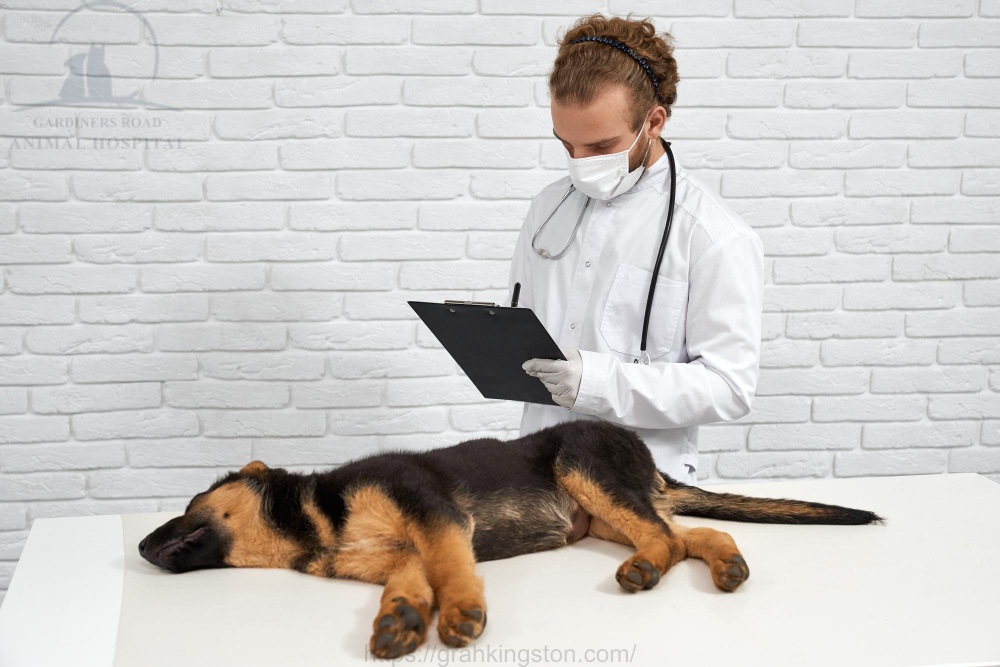
Pet Annual Health Exams

What to Expect During a Dog Exam

When you bring your pet for their annual checkup at Gardiners Road Animal Hospital, you can expect a thorough nose-to-tail evaluation. A typical dog exam includes:

  • Physical examination: Checking eyes, ears, skin, teeth, and coat.
  • Vital checks: Listening to the heart and lungs, monitoring weight and temperature.
  • Joint and mobility review: Spotting early signs of arthritis or mobility issues.
  • Preventive care: Vaccinations, parasite prevention, and dental recommendations.

This complete evaluation helps us tailor a care plan that fits your dog’s lifestyle.


Benefits of Dog Annual Health Exams

Investing in yearly health exams provides multiple benefits for your dog:

  • Early detection of illness – Identify problems before they worsen.
  • Personalized care – Advice on nutrition, exercise, and behavior.
  • Long-term wellness – Preventive care leads to fewer emergencies.
  • Peace of mind – Confidence that your dog is healthy and thriving.

At Gardiners Road Animal Hospital, we treat your pets like family, ensuring they receive compassionate, top-quality care.


Why Choose Gardiners Road Animal Hospital for Your Dog’s Care?

Our experienced veterinary team is passionate about providing exceptional preventive care. We understand that each dog is unique, which is why we take the time to listen, answer your questions, and create a health plan that works best for your pet.

Whether it’s your puppy’s first dog exam or a senior dog’s routine checkup, our goal is the same: keeping tails wagging and pets healthy year-round.


Final Thoughts

A yearly dog exam is one of the most important steps you can take to protect your pet’s health. At Gardiners Road Animal Hospital, our Dog Annual Health Exams are designed to provide comprehensive, preventive care that keeps your pet happy and healthy at every stage of life.

👉 Schedule your dog’s annual exam today and give them the gift of lifelong wellness.
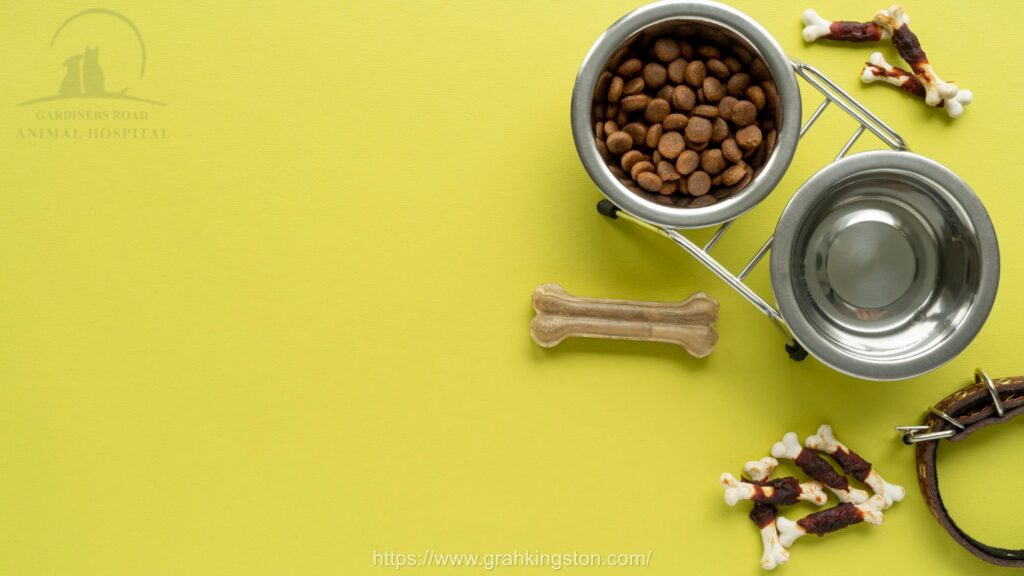
Optimizing Your Pet’s Nutrition: A Guide to Health and Longevity

Essential Pet Nutrition Tips

Ensuring your pet’s well-being involves more than just regular exercise and veterinary care; it requires careful attention to their nutritional needs. Here’s a breakdown of essential nutrients for your furry friend:

Essential Pet Nutrition Tips
  1. Water: Crucial for survival, water constitutes about 70% of your pet’s body. Always provide fresh, clean water for them to access easily.
  2. Carbohydrates: These provide energy and support brain and muscle function, keeping your pet lively and alert.
  3. Fats: While a source of energy, fats also aid in cell strength and nutrient absorption. However, excess fat can lead to obesity-related health issues like diabetes and heart disease.
  4. Proteins: Essential for a healthy coat, skin, and nails, proteins supply amino acids vital for enzyme and hormone production and a robust immune system. High-quality animal protein is particularly important for cats and dogs.
  5. Vitamins and Minerals: These regulate various body functions. For instance, calcium and phosphorous are crucial for strong bones, while antioxidant vitamins like E and C boost the immune system.

Here’s how to ensure your pet’s diet is optimal:

  • Choose Premium Foods: Opt for high-quality pet foods from reputable brands with a history of nutritional research and quality ingredients. Poor-quality foods can lead to obesity and digestive issues.
  • Ensure Freshness: Check for freshness when purchasing pet food, and store it properly in a cool, dry place. Discard uneaten food promptly and always use clean bowls.
  • Control Portions: Follow feeding guidelines based on your pet’s ideal weight, avoiding overfeeding to prevent obesity and related health issues.
  • Establish a Routine: Maintain a consistent feeding schedule to regulate bowel movements and prevent accidents, especially with younger pets who may require more frequent meals.
  • Avoid Human Food: Table scraps can upset your pet’s stomach and lead to nutritional imbalances or even toxicity from certain foods like raisins and chocolate.

As your pet ages, their nutritional needs will change. Puppies require higher energy, calcium, and protein levels, while older pets benefit from diets lower in fat and higher in fiber, with additional supplements to manage conditions like arthritis.

For personalized nutritional advice tailored to your pet’s needs, don’t hesitate to reach out to us. Remember, a healthy diet is key to a long and happy life for your furry companion.